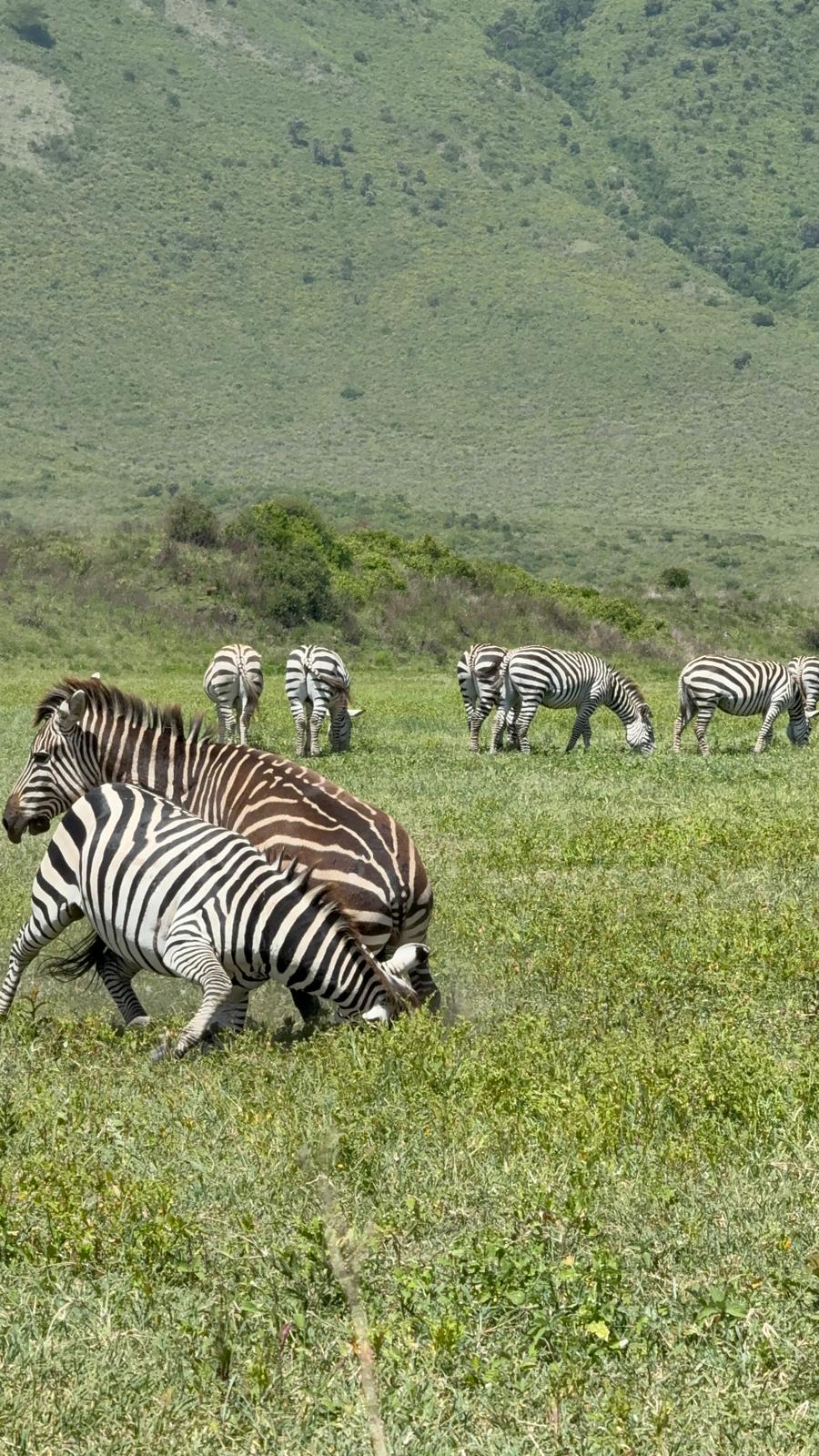
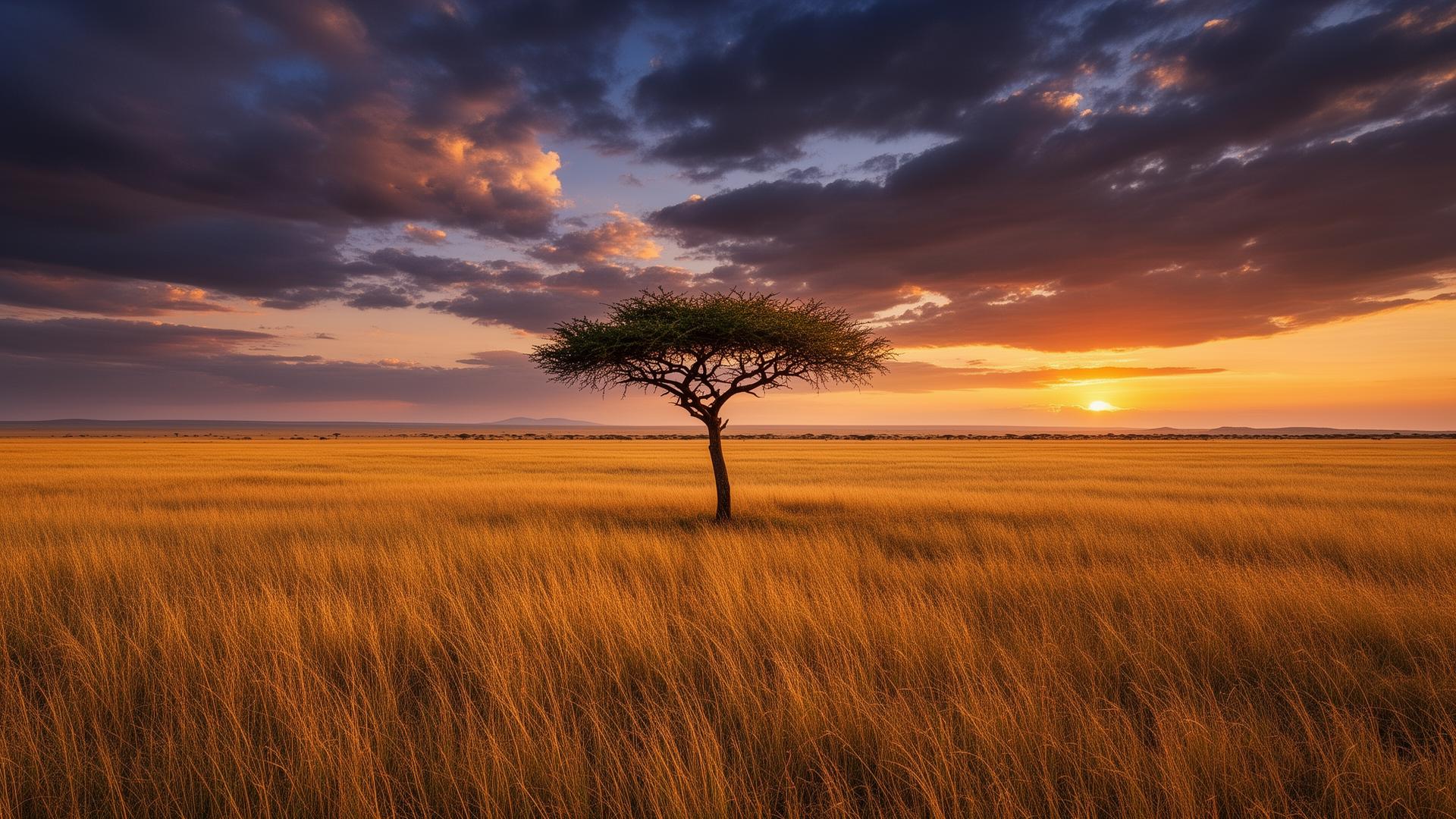
The Serengeti — from the Maasai word siringet, 'the place where the land runs on forever' — is the largest intact savannah ecosystem on Earth. Spanning nearly 15,000 km² of plains, kopjes, riverine forest and acacia woodland, it shelters around 1.5 million wildebeest, 300,000 zebra, and the highest concentration of large predators on the continent.
Discover Serengeti National Park
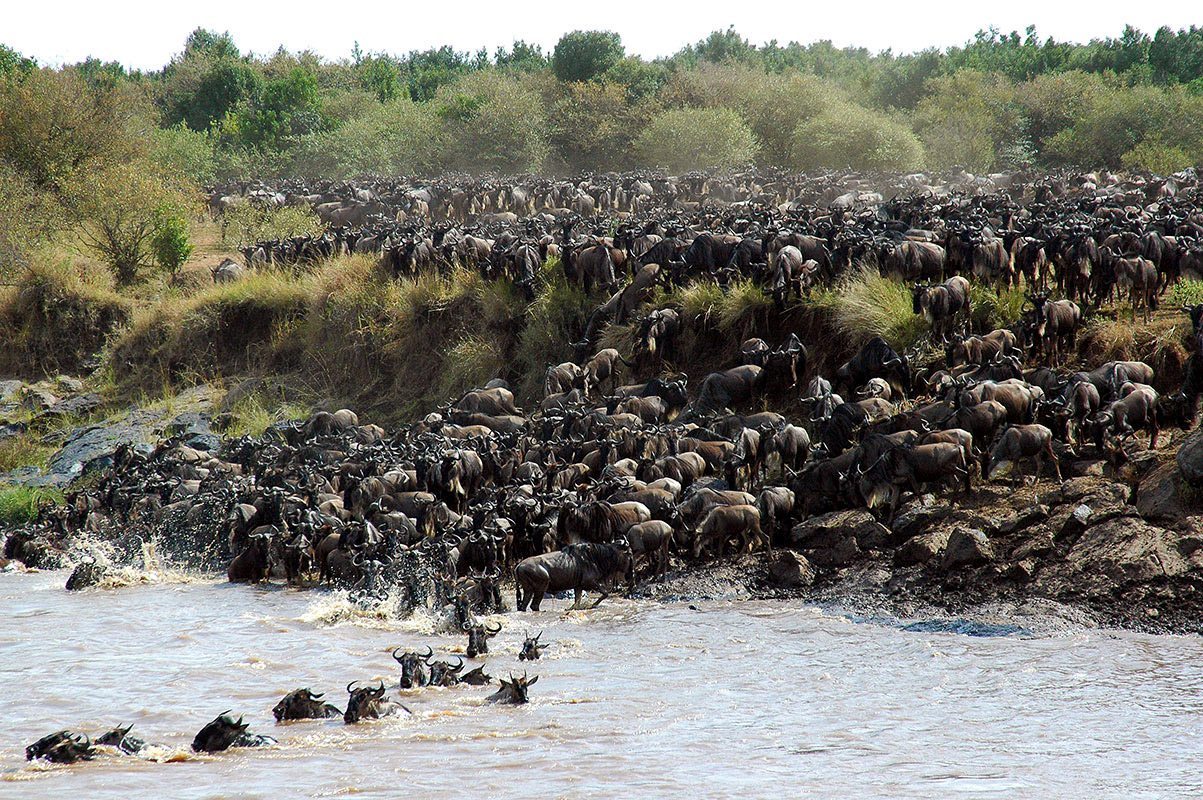
Most safaris focus on three sectors: the Seronera Valley in the central park (year-round game with a high leopard density), the Western Corridor and Grumeti River (May–July river crossings), and Kogatende/Lobo in the north (July–October Mara River crossings). The southern Ndutu plains belong to the migration in calving season, December through March.
Lion Whisper guides have worked these sectors for two decades. We track the herd, not the calendar — and we always have a Plan B when the rains shift the animals.
Wildlife in Serengeti National Park
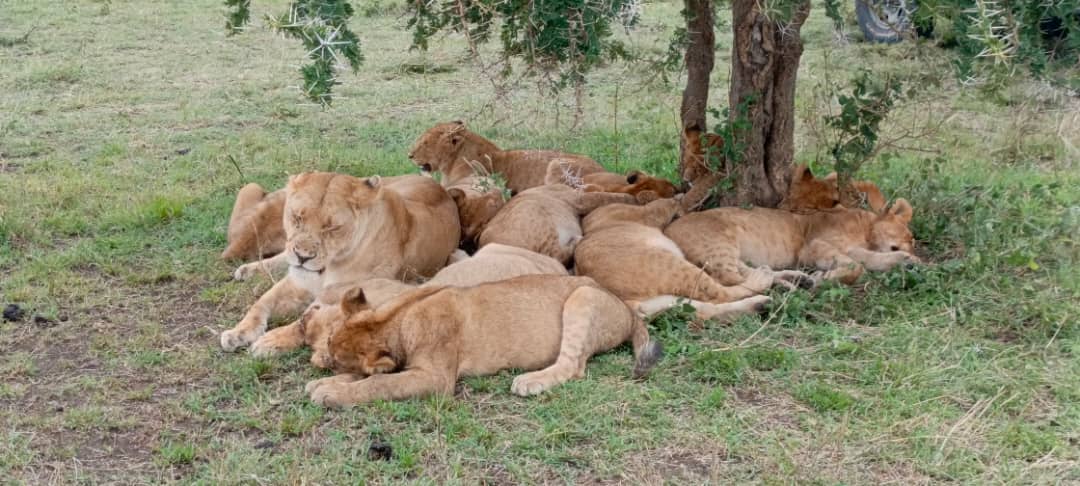
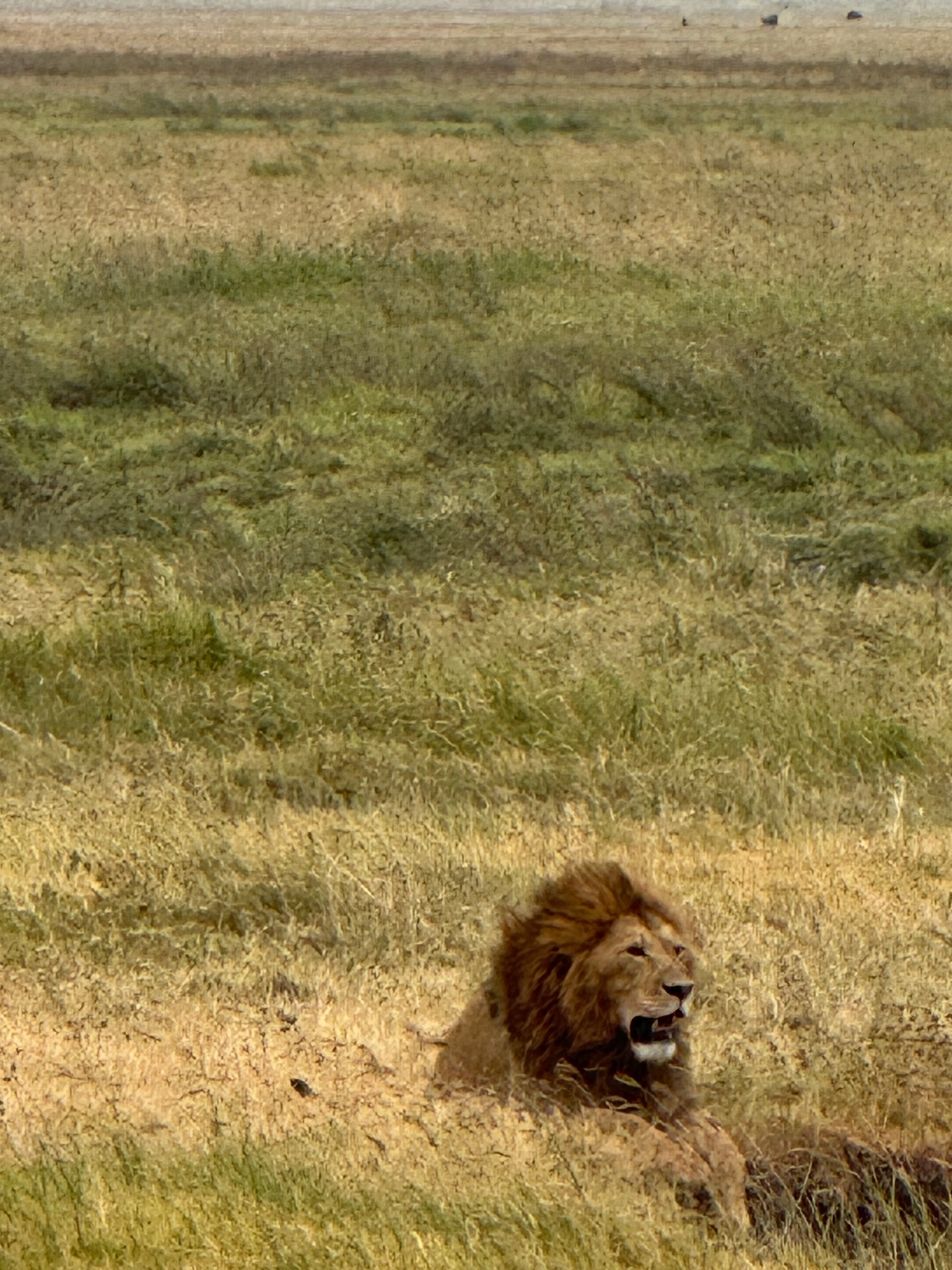
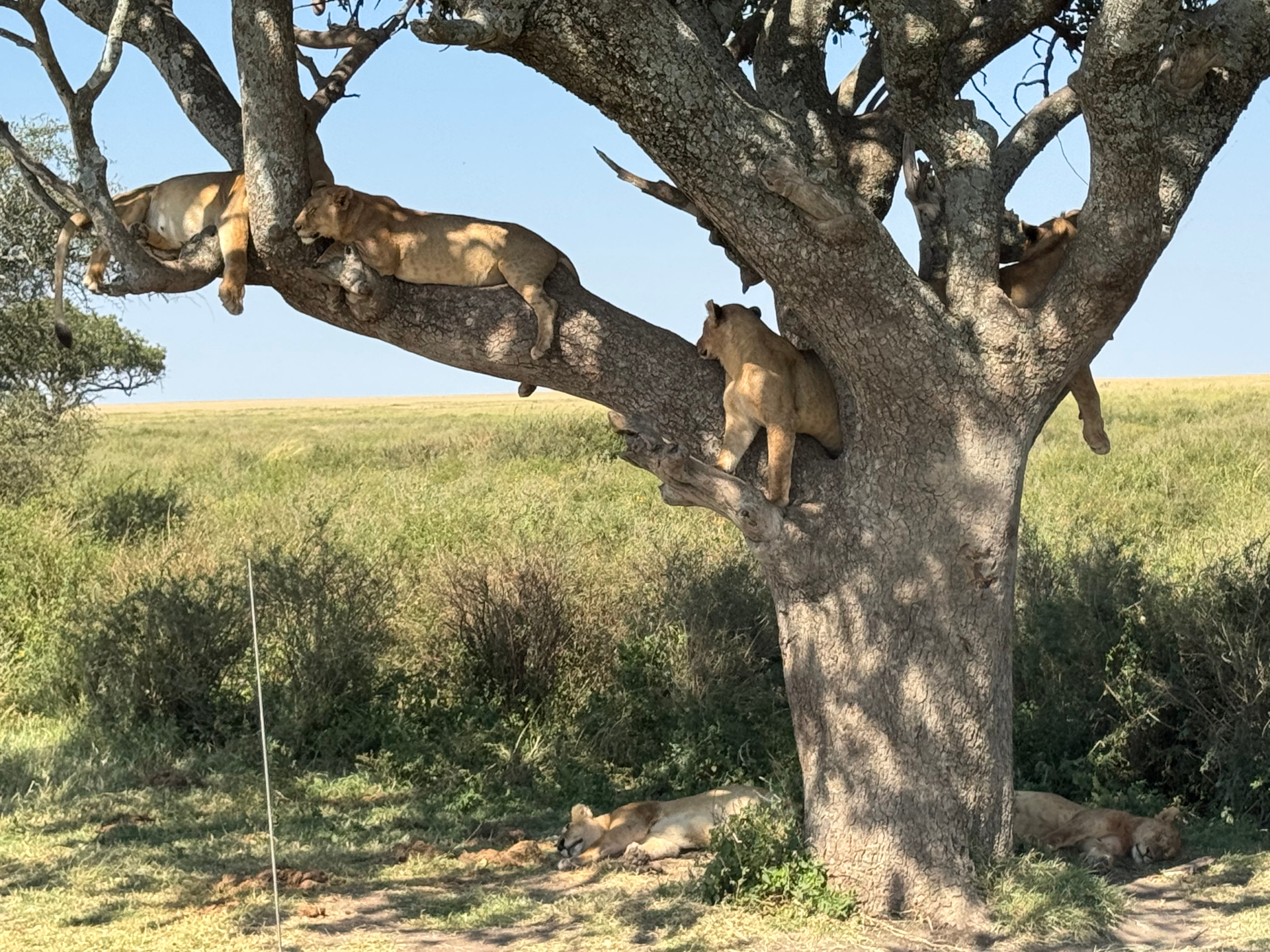
- Lion (an estimated 3,000+ in the ecosystem)
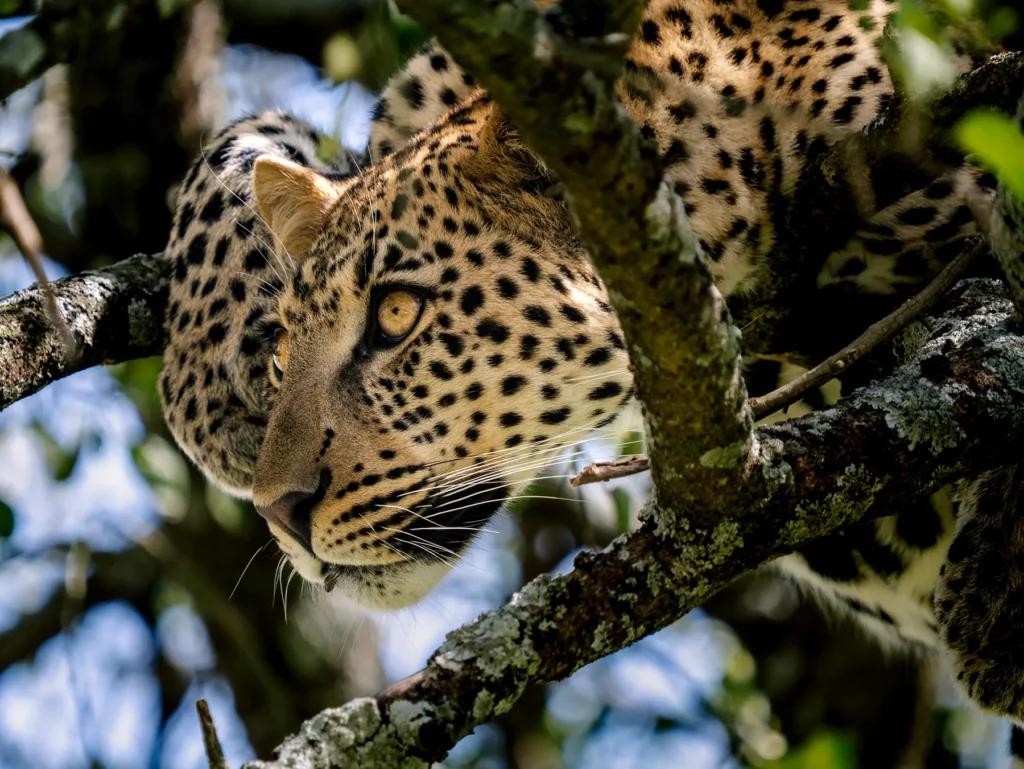
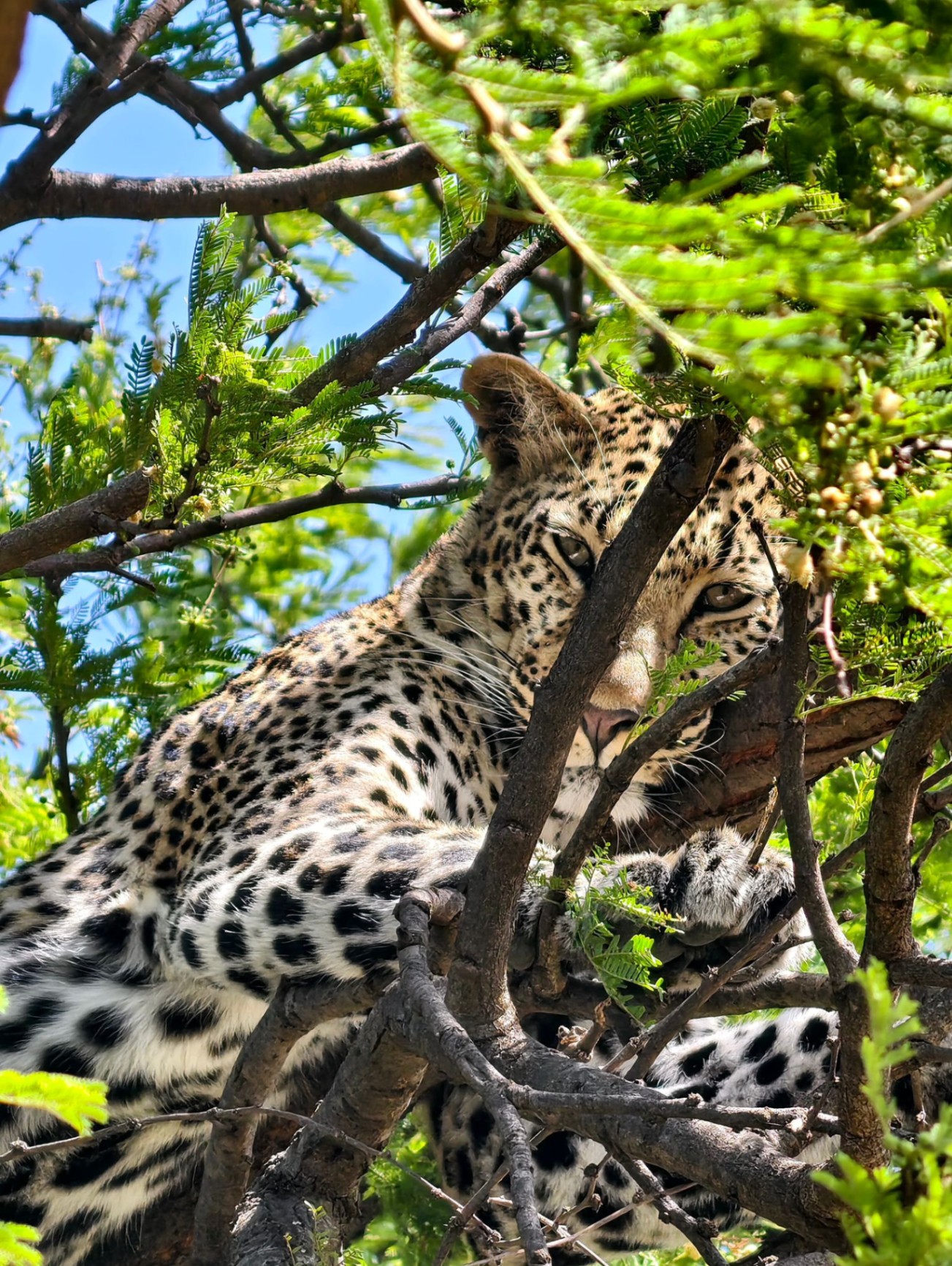
- Leopard (Seronera kopjes & riverine trees)
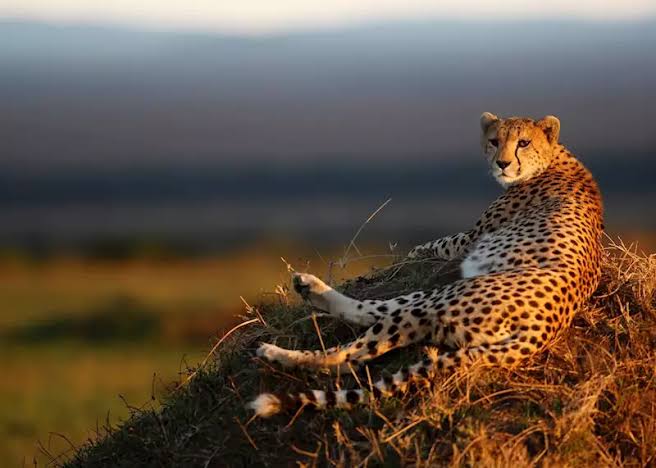
- Cheetah (eastern plains)
- Spotted hyena, wild dog, golden jackal
- Elephant, buffalo, giraffe, eland
- Over 500 bird species including secretary bird and lilac-breasted roller
Every drive is different — sightings are never guaranteed, and your guide reads the bush as you go.
Excursions and activities in Serengeti National Park
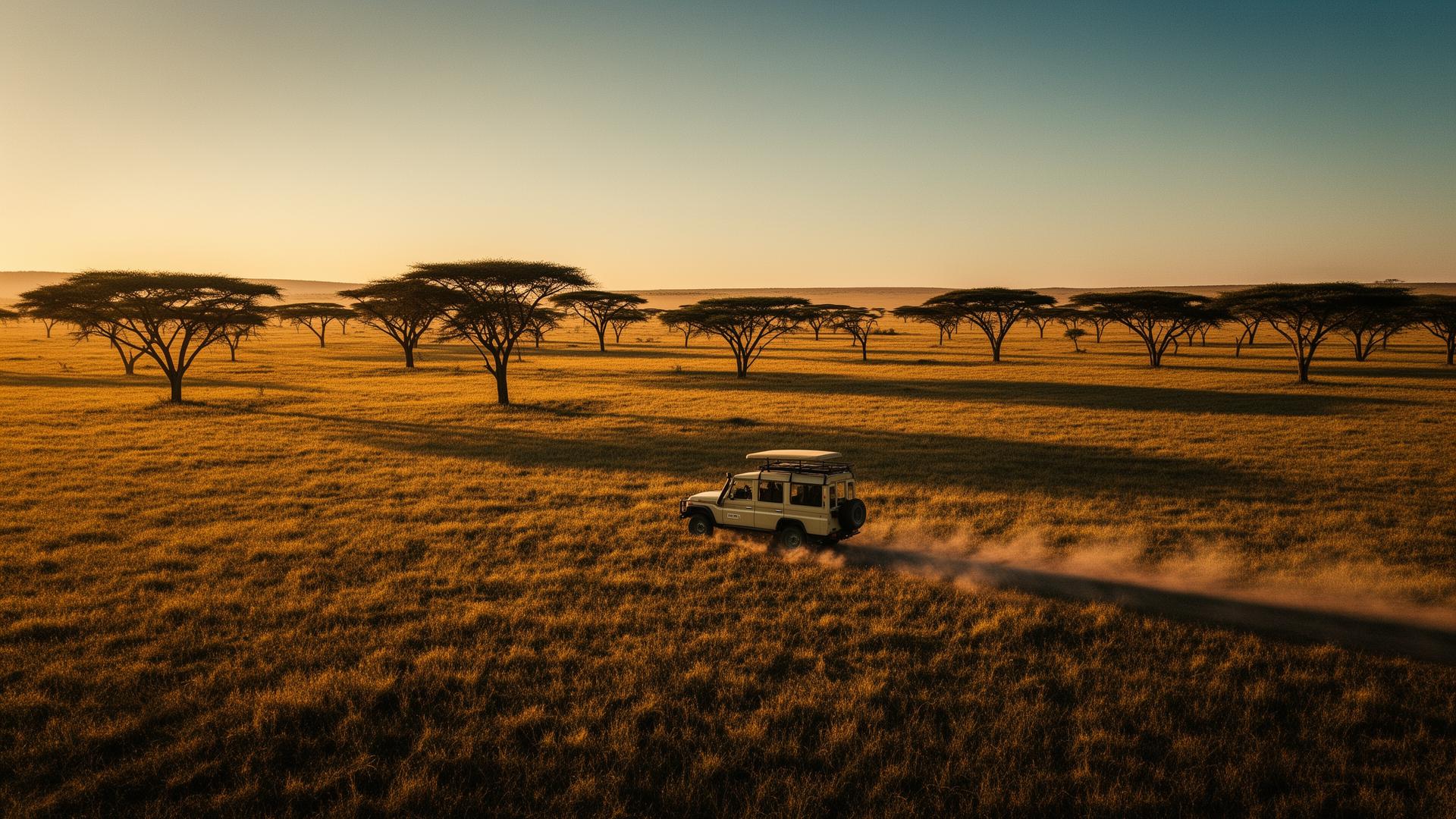
Game drives at dawn
We're out of camp by 06:00 with coffee in a flask — the first two hours hold the day's best light and the most predator activity.
Hot-air balloon safari
An hour aloft at sunrise above the plains, ending in a champagne breakfast on the grass. Available year-round in central and northern sectors.
Bush picnic lunches
Under an acacia by a kopje. The vehicle becomes the dining room; the wildlife continues around you.
Sundowner & night sounds
Most lodges host an open-air sundowner; some offer a guided after-dark walk inside fenced camps.
Travel time to Serengeti National Park
- Arusha → Central Serengeti: ~8 hours by road or ~1 hr by charter flight.
Travel tip from our guides about Serengeti National Park
Charter-fly in, drive out: you save a full day on arrival and you get to see the country change on the way back. The seat costs roughly USD $300–$500 one-way from Arusha (ARK) to Seronera.
How long to stay? Minimum 2 nights to do the central Seronera properly. 3–4 nights if you're combining sectors or chasing the migration.
Best time to visit Serengeti National Park
Year-round. Migration calving Jan–Mar, river crossings Jul–Oct.
- Jun–Oct (dry season): the most popular window. Short grass, predators concentrated near water, river crossings in the north. Book lodges 9–12 months ahead.
- Dec–Mar (green season): calving in Ndutu, dramatic skies, fewer vehicles. The single best window for big-cat action because the predators follow the newborns.
- Apr–May (long rains): some camps close, but landscapes are emerald and prices drop ~30%. Birding is exceptional.
Would you like to add Serengeti National Park to your itinerary? Browse our Tanzania safaris for inspiration, or contact us for personal advice.