• Kilimanjaro trek

Kilimanjaro Umbwe Route

Kilimanjaro trek · 6 days on the mountain / 8 days / 7 nights

Private, tailor-made and planned by local guides in Arusha.

Kilimanjaro Umbwe Route

Kilimanjaro's steepest and most direct route, climbing a narrow forest ridge straight towards the Breach Wall — a quiet, demanding climb for fit, experienced hikers.

  • Steep, direct and very quiet
  • Narrow ridge with views of the Breach Wall
  • Joins the southern circuit at Barranco
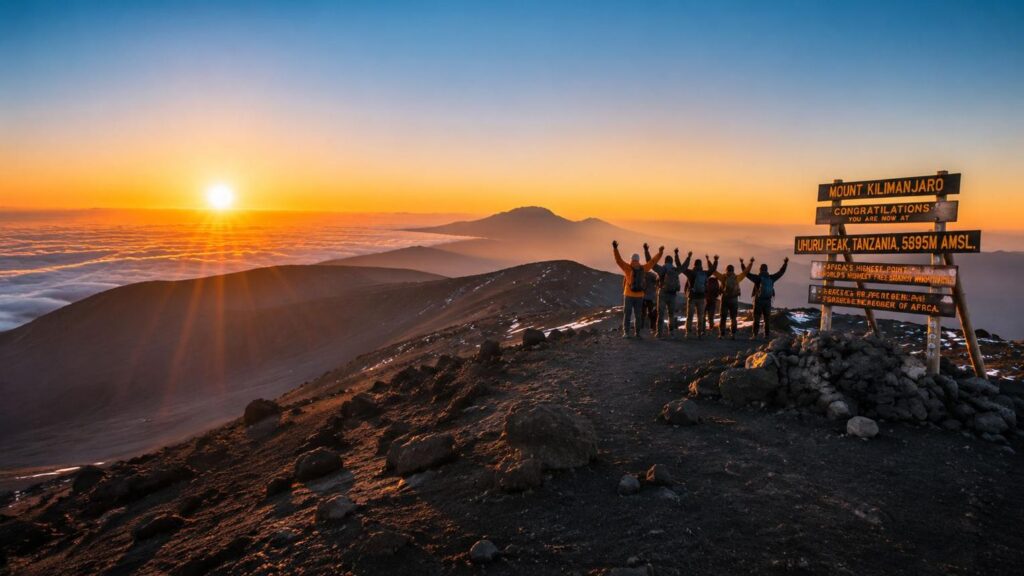
  • Sunrise on Uhuru Peak, 5,895 m

Make your dream trip come true with Lion Whisper

Every sample itinerary can be changed to suit you. Our local guides work with you to plan the trip you really want.

Request this trip now

Itinerary

  1. Day 1: Arrive at Kilimanjaro — meet your guide
  2. Day 2: Umbwe Gate to Umbwe Cave Camp — the steep forest ridge
  3. Day 3: Umbwe Cave to Barranco Camp — along the ridge
  4. Day 4: Barranco Wall to Karanga Camp — the famous scramble
  5. Day 5: Karanga to Barafu Camp — base camp for the summit
  6. Day 6: Summit night — Uhuru Peak, then down to Mweka Camp
  7. Day 7: Mweka Camp to Mweka Gate — back to the forest
  8. Day 8: Departure — or continue to safari or the beach
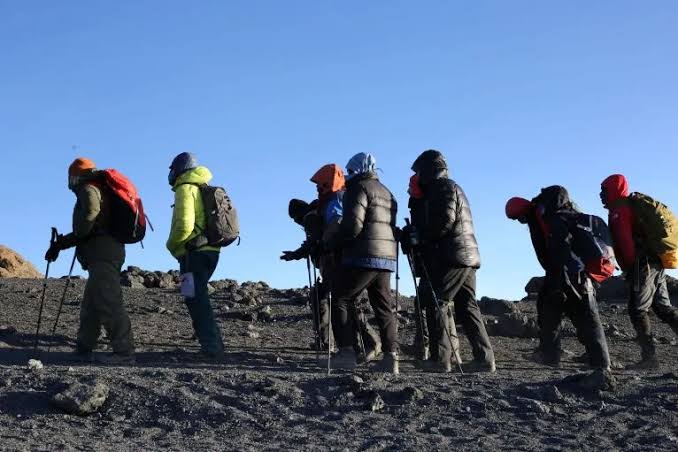
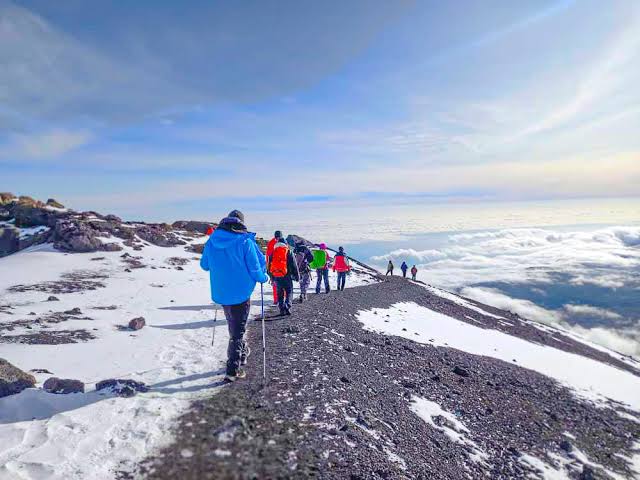
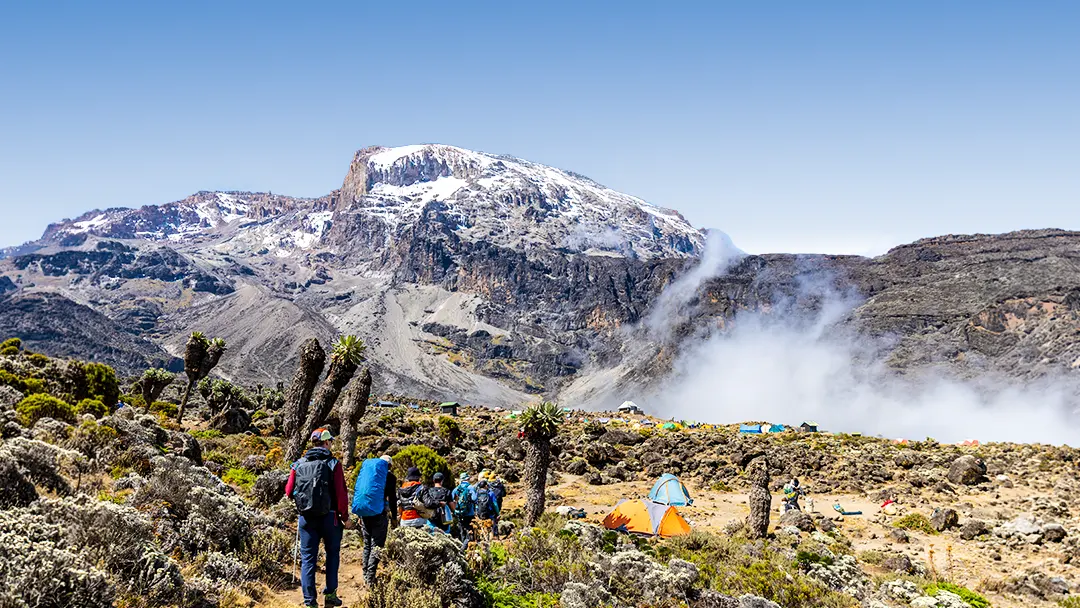
Kilimanjaro Umbwe Route — route photo
Route at a glance
  1. Kilimanjaro Airport
  2. Umbwe Gate
  3. Umbwe Cave
  4. Barranco Wall
  5. Barafu Camp
  6. Uhuru Peak
  7. Mweka Gate
  8. Kilimanjaro Airport
Day 1

Arrive at Kilimanjaro — meet your guide

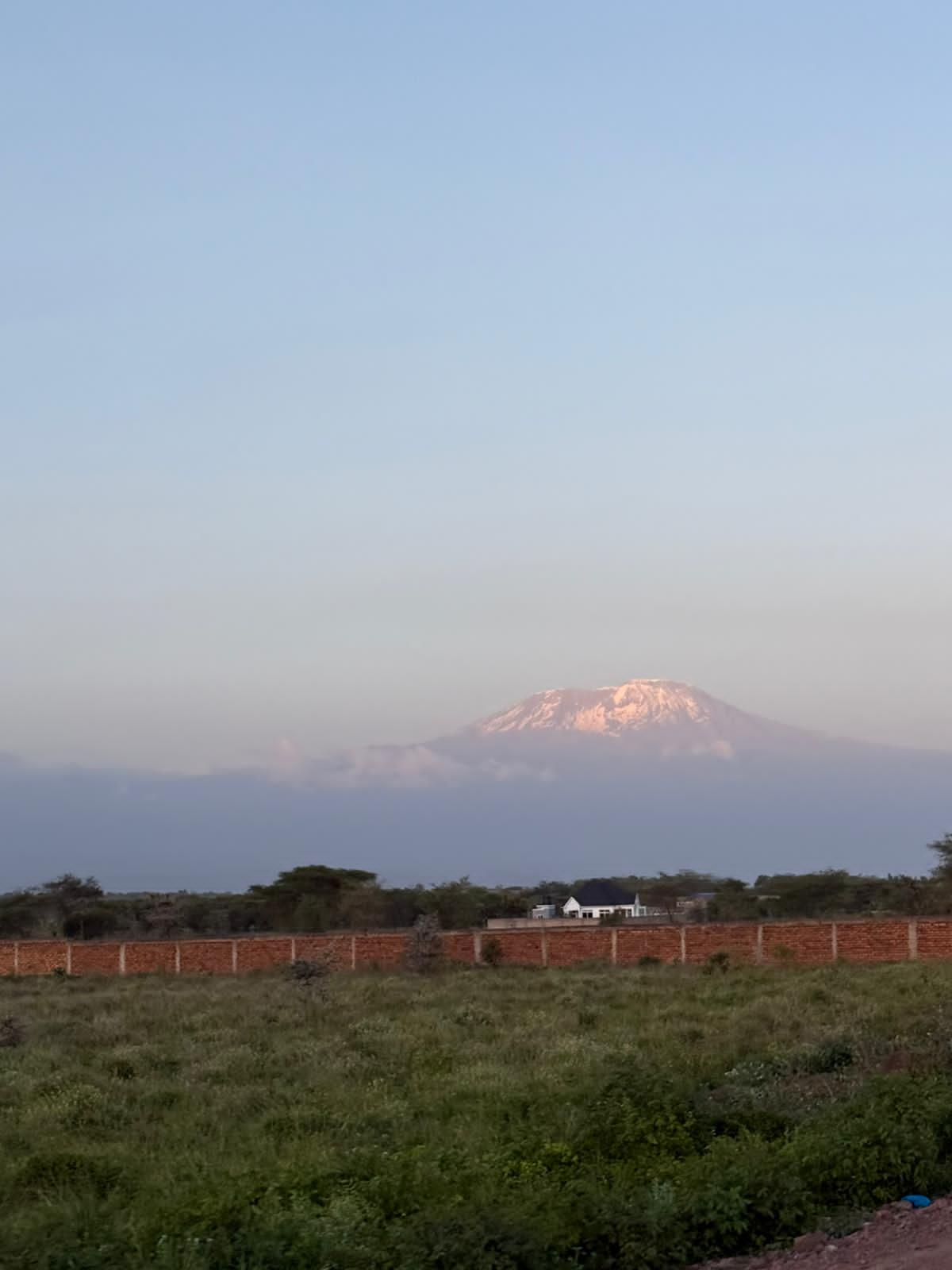
We meet you at Kilimanjaro International Airport (JRO), the international gateway for this climb, and transfer you to your hotel in Moshi or Arusha. The journey to Arusha takes about one hour, with Mount Meru sometimes visible above the surrounding countryside. After settling in, meet your lead guide for a route briefing and a careful equipment check. You discuss the camps, your mountain cook's meals, porter arrangements and the twice-daily health checks. There is time to identify missing kit and arrange hire locally before a relaxed evening. Dinner can be arranged separately; the included hotel meal is breakfast. Turn in early, with your daypack organised for tomorrow's departure.

Arusha is a lively northern Tanzanian town beneath Mount Meru, while Moshi sits closer to Kilimanjaro's southern slopes. Your hotel base determines tomorrow's road journey, so confirm the collection time with your guide rather than assuming every group starts together. Bring your worn-in boots, waterproofs and warm layers to the briefing, not just your packing list. Explain any previous altitude symptoms and check that your insurance covers trekking up to 6,000 metres. Umbwe gains height quickly and suits hikers with previous altitude experience; ask about adding a Karanga day or climbing Mount Meru first, neither included in this schedule.
Arrive at Kilimanjaro — meet your guide
Travel
Kilimanjaro International Airport (JRO) → hotel in Moshi or Arusha · about 1 hour by road to Arusha
Overnight
Hotel in Moshi or Arusha
Meals
No meals included — dinner available separately
Day 2

Umbwe Gate to Umbwe Cave Camp — the steep forest ridge

After breakfast we drive about an hour from Moshi to Umbwe Gate, at around 1,640 m, through coffee and banana farms. The trail climbs straight into thick rainforest and soon becomes very steep, following a narrow ridge where tree roots act like steps and ladders. Moss hangs from the branches and the forest is wonderfully quiet, as few climbers choose this route. After five to seven hours of steady climbing you reach Umbwe Cave Camp, at about 2,940 m, tucked into the trees on the ridge.

The Kilimanjaro Umbwe Route is known for its direct, steep ascent rather than an easy introduction to altitude. The forest ridge can be muddy, and exposed roots require more concentration than a smooth walking path. This route suits experienced hikers, but fitness alone does not prevent altitude illness. Keep your daypack light enough to balance comfortably, and use boots with reliable grip. Your guide sets a deliberately measured pace from the beginning; feeling strong at the gate is no reason to hurry through the first day's large height gain.

Umbwe Gate to Umbwe Cave Camp — the steep forest ridge
Travel
Umbwe Gate (about 1,640 m) → Umbwe Cave Camp (about 2,940 m) · about 11 km · 5–7 hours hiking
Overnight
Mountain camp — Umbwe Cave Camp (about 2,940 m)
Meals
Breakfast, lunch, dinner (prepared by your mountain cook)
Day 3

Umbwe Cave to Barranco Camp — along the ridge

After an early breakfast, the forest falls away and the ridge narrows, with deep valleys dropping on both sides and the huge Breach Wall of Kibo, hung with glaciers, rising straight ahead. It is one of the most dramatic walks on the mountain. After four to six hours you descend slightly into the sheltered Barranco Valley and Barranco Camp, at about 3,960 m, where the Umbwe trail meets the Machame and Lemosho routes. Giant groundsels stand around camp, and the evening views over the clouds are spectacular.

The Breach Wall dominates this section of the Umbwe Route, but the itinerary does not climb the Western Breach. Instead, you join the southern circuit at Barranco, where the atmosphere can become livelier as other trekking groups arrive. Giant groundsels thrive in this high valley and make memorable foregrounds for photographs of Kibo. The rapid ascent over these first two mountain days deserves respect: tell your guide about nausea, headache or dizziness straight away. Stay on the trail along the narrower ridge sections and pause somewhere secure before taking photographs.

Umbwe Cave to Barranco Camp — along the ridge
Travel
Umbwe Cave Camp (about 2,940 m) → Barranco Camp (about 3,960 m) · about 6 km · 4–6 hours hiking
Overnight
Mountain camp — Barranco Camp (about 3,960 m)
Meals
Breakfast, lunch, dinner (prepared by your mountain cook)
Day 4

Barranco Wall to Karanga Camp — the famous scramble

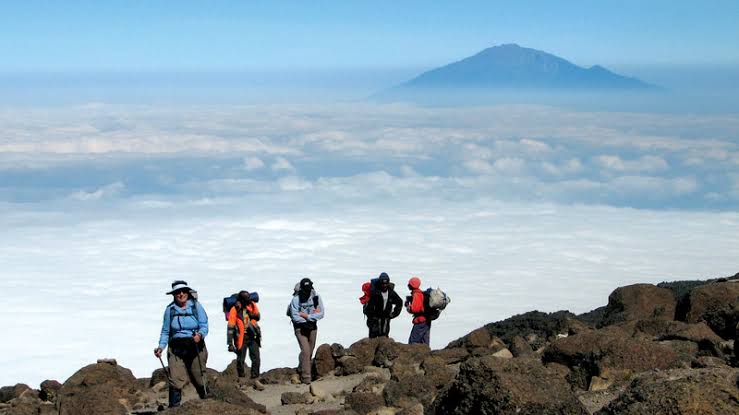
Straight after breakfast you tackle the Barranco Wall, a 250-metre cliff that looks impossible from camp but is a fun, non-technical scramble with plenty of handholds. Your guides stay close and show you each move. At the top, the views across the clouds to Mount Meru are breathtaking. The trail then rolls up and down through rocky valleys to Karanga Camp, at about 3,995 m, reached by lunchtime. The afternoon is for rest and water, an important chance to acclimatise after the fast start.

The Barranco Wall is a walking-route scramble rather than a technical rock climb, but it still asks for balance, patient foot placement and occasional use of your hands. Give porters room to pass and follow your guide's instructions instead of trying to overtake on narrow sections. Beyond the wall, the Karanga valleys add repeated descents and climbs despite the modest difference between camp elevations. This is valuable recovery time after Umbwe's fast ascent, not proof that you are fully acclimatised. Keep the afternoon quiet and report symptoms before the evening check.

Barranco Wall to Karanga Camp — the famous scramble
Travel
Barranco Camp (about 3,960 m) → Karanga Camp (about 3,995 m) · about 5 km · 4–5 hours hiking
Overnight
Mountain camp — Karanga Camp (about 3,995 m)
Meals
Breakfast, lunch, dinner (prepared by your mountain cook)
Day 5

Karanga to Barafu Camp — base camp for the summit

After an early breakfast, a steady three to four hours over bare, rocky ground brings you to Barafu Camp, at roughly 4,673 m, perched on a ridge with the summit cone straight above. Barafu means "ice" in Swahili, and the cold arrives as soon as the sun drops. You eat an early dinner while your guide explains the night ahead: what to wear, how to keep your water from freezing and how slowly you will walk. Then it is into your sleeping bag by early evening for a few hours of rest.

Barafu means ice in Swahili, an apt name for an exposed high camp where wind and falling temperatures quickly change how comfortable you feel. The climb from Karanga is relatively short, but sleeping high can be difficult even after a manageable morning. Walk around camp carefully on uneven stones and locate the dining tent and toilet before darkness. Keep batteries warm and prepare layers in the order you will wear them. The six-day Umbwe schedule offers limited acclimatisation time; your guide's health assessment, not enthusiasm alone, determines whether you start for the summit.

Karanga to Barafu Camp — base camp for the summit
Travel
Karanga Camp (about 3,995 m) → Barafu Camp (about 4,673 m) · about 4 km · 3–4 hours hiking
Overnight
Mountain camp — Barafu Camp (about 4,673 m)
Meals
Breakfast, lunch, dinner (prepared by your mountain cook)
Day 6

Summit night — Uhuru Peak, then down to Mweka Camp

Around midnight you leave camp in a line of head torches and climb the long scree slope in the cold and dark, step by slow step, with hot tea and encouragement from your guides. Near dawn you aim to reach Stella Point on the crater rim, at about 5,756 m, and then, if conditions and your health allow, walk the last hour to Uhuru Peak, 5,895 m, as the sun lights up the glaciers. After photos and celebrations, you descend to Barafu for rest and lunch, then on to Mweka Camp, at about 3,100 m. A long day of twelve to sixteen hours, and one you will never forget.

The southern summit approach reaches Stella Point before following the crater rim towards Uhuru Peak, the highest point in Africa. Dawn may reveal the glaciers and distant Mawenzi, but visibility and timing depend on weather and your group's progress. The descent is a substantial part of the day, especially after the effort of climbing through the night. Keep sunglasses ready for daylight on pale scree, and use small, controlled steps rather than running downhill. Be honest about exhaustion or altitude symptoms: your guide's decision to turn around is final.

Summit night — Uhuru Peak, then down to Mweka Camp
Travel
Barafu Camp (about 4,673 m) → Mweka Camp (about 3,100 m) · about 17 km · 12–16 hours hiking
Overnight
Mountain camp — Mweka Camp (about 3,100 m)
Meals
Breakfast, lunch, dinner (prepared by your mountain cook)
Day 7

Mweka Camp to Mweka Gate — back to the forest

After an early breakfast, breathing feels easy again as you walk three to four hours down through the rainforest to Mweka Gate, at about 1,640 m, with birdsong all around you. At the gate you sign out of the park and collect a certificate reflecting the point you reached, and your crew of guides, cooks and porters says goodbye, often with a song. We drive you back to your hotel for a hot shower, a cold drink and time to arrange a separate celebration dinner after one of Kilimanjaro's toughest routes.

The Mweka descent returns you through Kilimanjaro's forest belt, where moisture, birdsong and taller trees replace the stark summit landscape. It is a satisfying final contrast on the Umbwe Route, but tired legs can make slippery roots more difficult than expected. Keep your boots securely laced and use poles without hurrying the people ahead. At the gate, any certificate records the altitude you actually reached. Thanking the crew is also a chance to appreciate the teamwork behind your climb. Back at the hotel, breakfast is included; dinner is a separate arrangement.

Mweka Camp to Mweka Gate — back to the forest
Travel
Mweka Camp (about 3,100 m) → Mweka Gate (about 1,640 m) · about 10 km · 3–4 hours hiking
Overnight
Hotel in Moshi or Arusha
Meals
Breakfast, lunch (prepared by your mountain cook)
Day 8

Departure — or continue to safari or the beach

After breakfast at your hotel, enjoy a slow morning while your legs recover from the mountain. If your flight schedule allows, ask about an optional coffee farm visit or a little souvenir shopping in Moshi or Arusha; neither is an included excursion. We confirm your collection time and transfer you to Kilimanjaro International Airport (JRO) for your onward flight. From Arusha, allow about one hour on the road, plus the airline's recommended check-in time and a sensible traffic buffer. For an evening departure, keep the afternoon flexible rather than planning a distant outing that could make the journey rushed.

Arusha sits beneath Mount Meru and makes a pleasant place to pause after your Kilimanjaro trek, with cafés and local markets if you feel like a short walk. JRO is the airport here for international flights, so check the airport name carefully when reviewing your ticket. Keep travel documents, medication and a change of clothing accessible rather than buried with your muddy trekking kit. Additional safari days or a Zanzibar beach holiday can be arranged separately, but this package finishes with your airport transfer. Before leaving the hotel, check the room for charging cables and allow time to collect any luggage stored during the climb.

Departure — or continue to safari or the beach
Travel
Hotel in Moshi or Arusha → Kilimanjaro International Airport (JRO) · about 1 hour by road from Arusha
Overnight
End of trip — no overnight
Meals
Breakfast

Make your dream trip come true with Lion Whisper

Every sample itinerary can be changed to suit you. Our local guides work with you to plan the trip you really want.

Request this trip now

Why Lion Whisper?

  • Private guide and vehicle — never a shared group
  • Local guides based in Arusha
  • Routes built around your dates and pace
  • Honest advice, no sales script
  • English-speaking guides
  • 24/7 support while you travel
See all kilimanjaro trekking
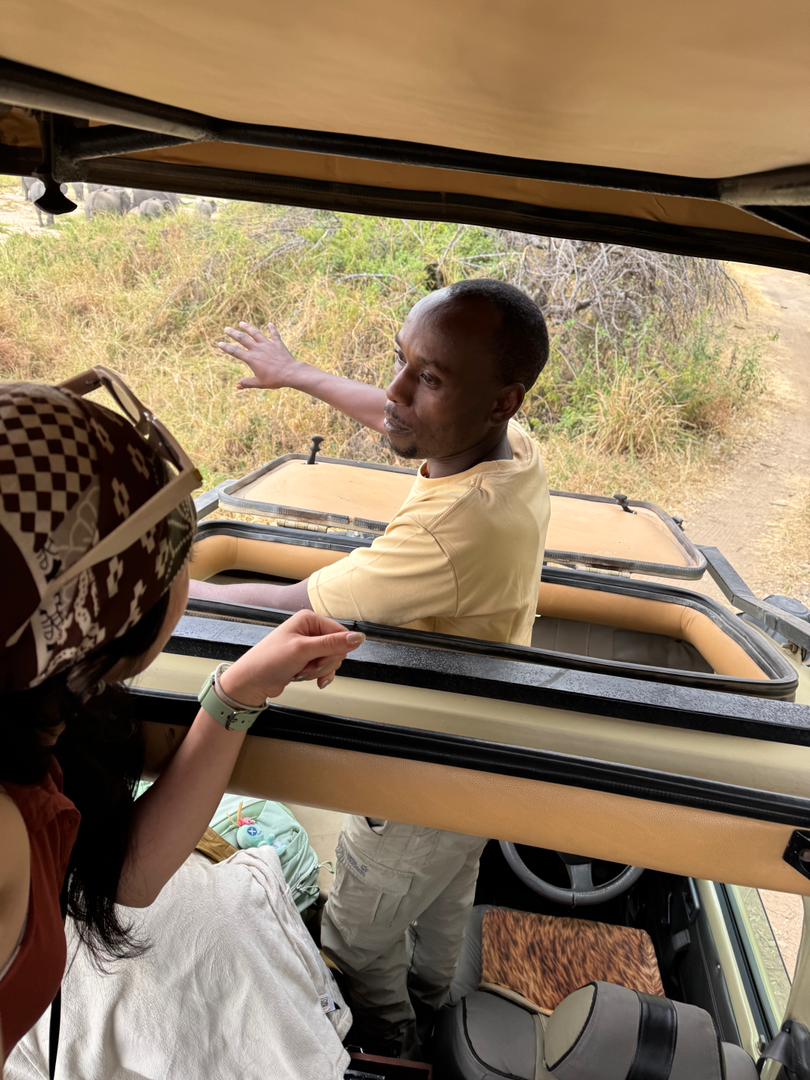
Lion Whisper guide explaining wildlife from the safari vehicle

Let us create your tailor-made trip

Free, no-obligation advice

Plan a Custom Safari

Talk to a local guide

Our team in Arusha is here to help — English · Swahili · French (on request).