• Kilimanjaro trek

Kilimanjaro Rongai Route

Kilimanjaro trek · 7 days on the mountain / 9 days / 8 nights

Private, tailor-made and planned by local guides in Arusha.

Kilimanjaro Rongai Route

The only route from the north, close to the Kenyan border: drier, quieter and gentler, with a night below the jagged spires of Mawenzi before the summit.

  • Quiet wilderness trail from the north
  • Drier side of the mountain — good in the rainy months
  • Camp beside Mawenzi Tarn, 4,330 m
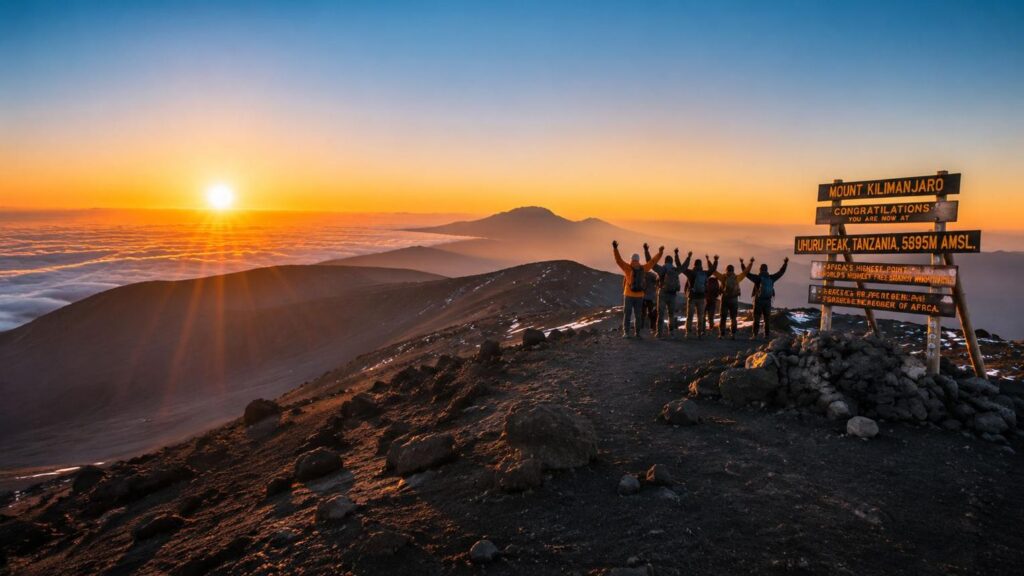
  • Sunrise on Uhuru Peak, 5,895 m

Make your dream trip come true with Lion Whisper

Every sample itinerary can be changed to suit you. Our local guides work with you to plan the trip you really want.

Request this trip now

Itinerary

  1. Day 1: Arrive at Kilimanjaro — briefing and gear check
  2. Day 2: Rongai Gate to Simba Camp — the northern slopes
  3. Day 3: Simba Camp to Second Cave — into the moorland
  4. Day 4: Second Cave to Kikelewa Camp — towards Mawenzi
  5. Day 5: Kikelewa to Mawenzi Tarn — beneath the spires
  6. Day 6: Mawenzi Tarn to Kibo Hut — across the Saddle
  7. Day 7: Summit night — Uhuru Peak, then down to Horombo
  8. Day 8: Horombo to Marangu Gate — certificates and celebration
  9. Day 9: Departure — or on to safari or Zanzibar
Kilimanjaro Rongai Route — route photo
Route at a glance
  1. Kilimanjaro Airport
  2. Rongai Gate
  3. Second Cave
  4. Mawenzi Tarn
  5. Kibo Hut
  6. Uhuru Peak
  7. Marangu Gate
  8. Kilimanjaro Airport
Day 1

Arrive at Kilimanjaro — briefing and gear check

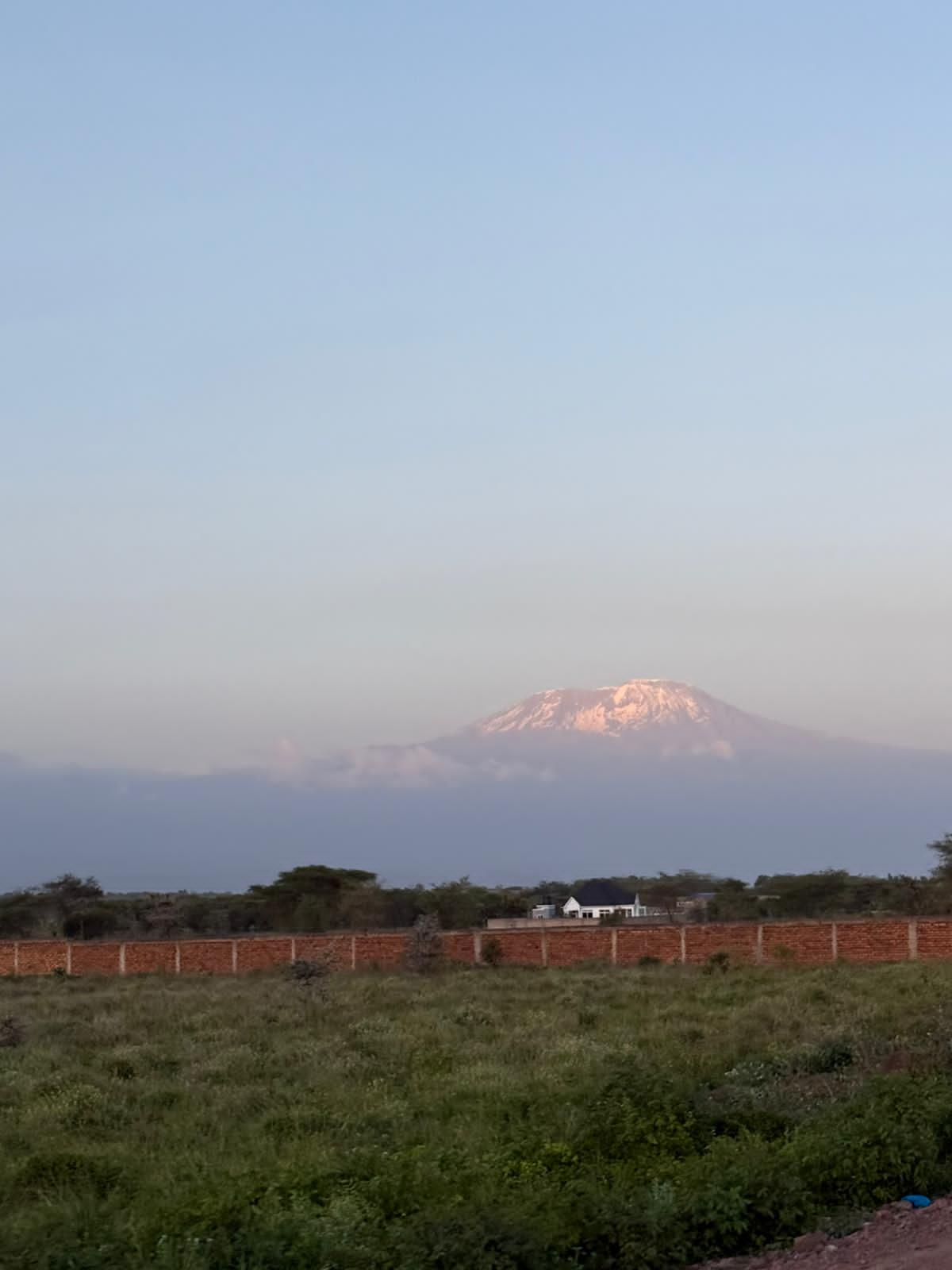
We meet you at Kilimanjaro International Airport (JRO), the international gateway for this climb, and transfer you to your hotel in Moshi or Arusha. The journey to Arusha takes about one hour, with Mount Meru sometimes visible above the surrounding countryside. After settling in, meet your lead guide for a route briefing and a careful equipment check. You discuss the camps, your mountain cook's meals, porter arrangements and the twice-daily health checks. There is time to identify missing kit and arrange hire locally before a relaxed evening. Dinner can be arranged separately; the included hotel meal is breakfast. Turn in early, with your daypack organised for tomorrow's departure.

Arusha is a lively northern Tanzanian town beneath Mount Meru, while Moshi sits closer to Kilimanjaro's southern slopes. Your hotel base determines tomorrow's road journey, so confirm the collection time with your guide rather than assuming every group starts together. Bring your worn-in boots, waterproofs and warm layers to the briefing, not just your packing list. Explain any previous altitude symptoms and check that your insurance covers trekking up to 6,000 metres. This first conversation is also your chance to ask how the team will respond if you feel unwell on the mountain.
Arrive at Kilimanjaro — briefing and gear check
Travel
Kilimanjaro International Airport (JRO) → hotel in Moshi or Arusha · about 1 hour by road to Arusha
Overnight
Hotel in Moshi or Arusha
Meals
No meals included — dinner available separately
Day 2

Rongai Gate to Simba Camp — the northern slopes

After breakfast we drive around the eastern side of Kilimanjaro, about three hours from Moshi, to the village of Nale Moru near the Kenyan border, where the Rongai trail starts at about 1,950 m. After registration, you walk three to four hours past small farms and pine plantations into the forest edge, where black-and-white colobus monkeys are often seen. This side of the mountain is drier and far less busy than the south. Camp tonight is Simba Camp at around 2,650 m, with wide views north over the plains of Kenya.

The Kilimanjaro Rongai Route approaches from the north, close to the Kenyan border, and usually feels quieter than the busier southern trails. Its relatively dry slopes can be an advantage during wetter periods, although rain and muddy paths remain possible in any month. The small farms at the trail's edge gradually give way to mountain vegetation, making this an enjoyable introduction to Kilimanjaro National Park. Keep waterproof clothing near the top of your daypack and avoid rushing to match the porters: their working pace is not your acclimatisation pace.

Rongai Gate to Simba Camp — the northern slopes
Travel
Rongai Gate (about 1,950 m) → Simba Camp (about 2,650 m) · about 8 km · 3–4 hours hiking
Overnight
Mountain camp — Simba Camp (about 2,650 m)
Meals
Breakfast, lunch, dinner (prepared by your mountain cook)
Day 3

Simba Camp to Second Cave — into the moorland

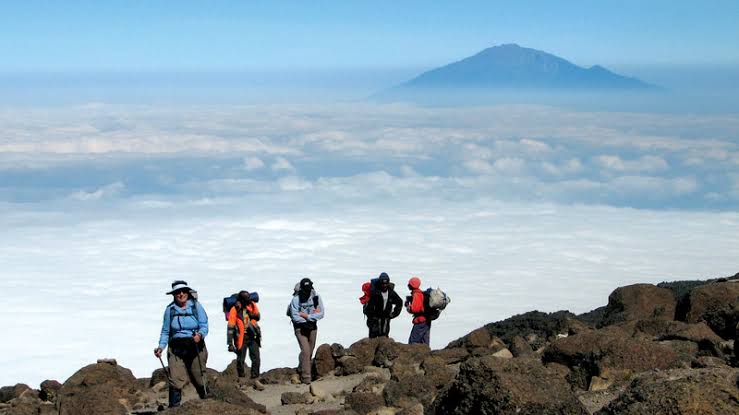
After an early breakfast, the trail climbs steadily out of the forest into open heath and moorland, with the snowy dome of Kibo ahead and the dark, jagged peaks of Mawenzi slowly coming into view. Walking three to four hours at an easy pace, you have time to enjoy the silence and the views back across the Amboseli plains. You reach Second Cave Camp, at about 3,450 m, around lunchtime. The afternoon is for resting, drinking plenty of water and letting your body get used to the thinner air.

This transition from forest to moorland is one of the pleasures of the Rongai Route: lower vegetation reveals the scale of Kibo and Mawenzi without the enclosed feeling of yesterday's trees. Second Cave is a mountain campsite rather than a serviced hut, and temperatures drop sharply once the sun disappears. A shorter walking day is useful recovery time, not an invitation to expend all your energy exploring. Keep your sunhat and sunscreen handy on the exposed trail, and tell your guide about a persistent headache or unusual tiredness before the evening health check.

Simba Camp to Second Cave — into the moorland
Travel
Simba Camp (about 2,650 m) → Second Cave Camp (about 3,450 m) · about 6 km · 3–4 hours hiking
Overnight
Mountain camp — Second Cave Camp (about 3,450 m)
Meals
Breakfast, lunch, dinner (prepared by your mountain cook)
Day 4

Second Cave to Kikelewa Camp — towards Mawenzi

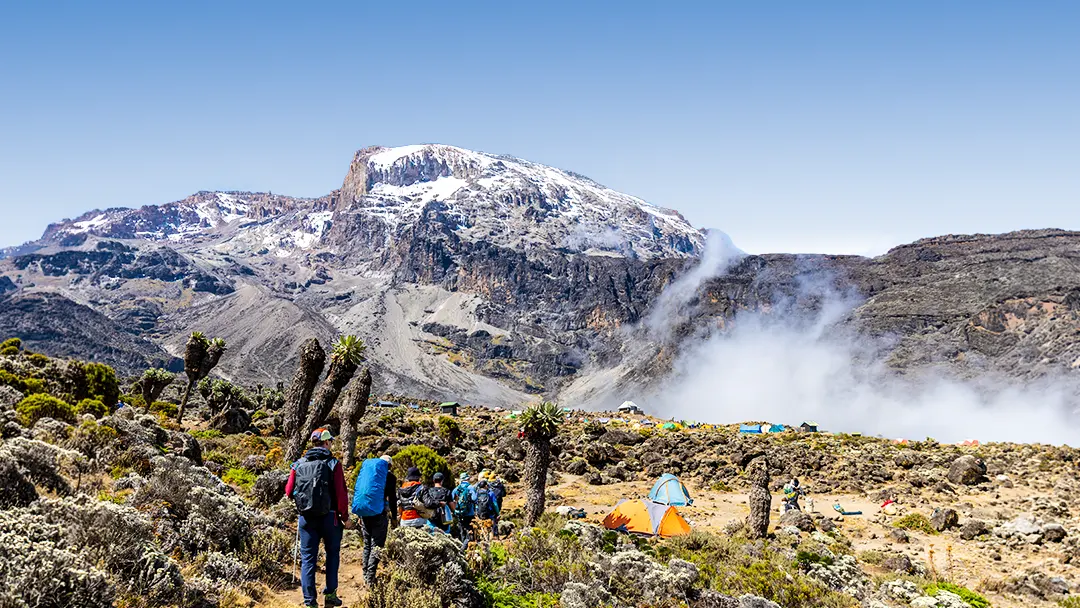
After an early breakfast, today you leave the main trail and walk across the moorland towards Mawenzi, Kilimanjaro's second summit, on a quiet path of heather, grasses and giant groundsels. It is a short, steady day of three to four hours that helps your body adjust before the higher camps. Kikelewa Camp, at around 3,600 m, sits in a sheltered valley with good water and wide views. After lunch, a gentle stroll above camp with your guide helps acclimatisation, then it is time to relax and watch the evening light over the plains.

Kikelewa marks the move towards Mawenzi rather than a direct push to Kibo, giving this seven-day Rongai itinerary a more gradual approach to its higher camps. Giant groundsels are characteristic plants of East Africa's high mountains; enjoy their unusual shapes without stepping off the established path for photographs. The sheltered valley can feel warmer than exposed ridges, but nights remain cold. Pack a dry insulating layer separately from your waterproof jacket, and use the afternoon walk only as your guide recommends. Extra activity is not a substitute for rest or symptom monitoring.

Second Cave to Kikelewa Camp — towards Mawenzi
Travel
Second Cave Camp (about 3,450 m) → Kikelewa Camp (about 3,600 m) · about 6 km · 3–4 hours hiking
Overnight
Mountain camp — Kikelewa Camp (about 3,600 m)
Meals
Breakfast, lunch, dinner (prepared by your mountain cook)
Day 5

Kikelewa to Mawenzi Tarn — beneath the spires

After an early breakfast, a short but steep climb of three to four hours takes you up grassy slopes to Mawenzi Tarn Camp, at about 4,330 m, one of the most dramatic campsites on Kilimanjaro. The camp sits beside a small mountain lake, right below the towering cliffs and spires of Mawenzi. In the afternoon your guide leads a short acclimatisation walk up the ridge for even bigger views, before coming back down to sleep. Nights are cold here, so you enjoy a warm dinner and an early night in your sleeping bag.

Mawenzi Tarn is known for its setting beneath Kilimanjaro's rugged eastern peak, a striking contrast to Kibo's broad summit cone. You camp beside the tarn rather than climbing Mawenzi itself; its rock spires are not part of this walking itinerary. Above about 4,000 metres, even modest slopes can feel demanding, and the afternoon ridge walk should remain gentle. Keep away from the water's edge and follow your crew's hygiene arrangements to protect this fragile place. Have gloves and a warm hat ready before sunset rather than waiting until you feel chilled.

Kikelewa to Mawenzi Tarn — beneath the spires
Travel
Kikelewa Camp (about 3,600 m) → Mawenzi Tarn Camp (about 4,330 m) · about 5 km · 3–4 hours hiking
Overnight
Mountain camp — Mawenzi Tarn Camp (about 4,330 m)
Meals
Breakfast, lunch, dinner (prepared by your mountain cook)
Day 6

Mawenzi Tarn to Kibo Hut — across the Saddle

After an early breakfast, you cross the Saddle, a vast, bare alpine desert between Mawenzi and Kibo, on a long but gentle trail of five to six hours. There are almost no plants up here, only gravel, rock and an enormous sky, and the summit cone grows bigger with every step. You reach Kibo Hut, at about 4,720 m, by early afternoon. After an early dinner, your guide goes through the summit plan, checks your clothing and head torch, and you try to sleep by early evening before the midnight start.

The Saddle separates Mawenzi from Kibo and exposes you to a very different Kilimanjaro landscape: sparse vegetation, pale scree and long horizons. Although the gradient can look forgiving, the altitude makes a slow rhythm essential. Kibo Hut names the high-camp area; on this Rongai camping itinerary you sleep in a mountain tent, not automatically in a hut bed. Before resting, check your head torch, spare batteries and insulated water bottles. Eat what you comfortably can, report any symptoms promptly, and remember that your guide may change the summit plan for safety.

Mawenzi Tarn to Kibo Hut — across the Saddle
Travel
Mawenzi Tarn Camp (about 4,330 m) → Kibo Hut (about 4,720 m) · about 8 km · 5–6 hours hiking
Overnight
Mountain camp — Kibo Hut (about 4,720 m)
Meals
Breakfast, lunch, dinner (prepared by your mountain cook)
Day 7

Summit night — Uhuru Peak, then down to Horombo

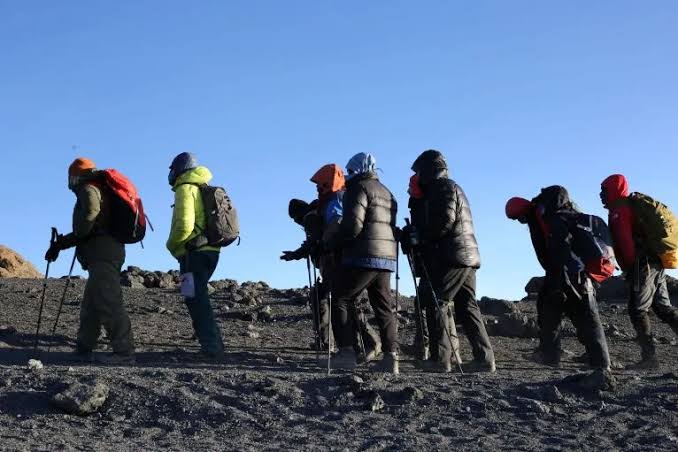
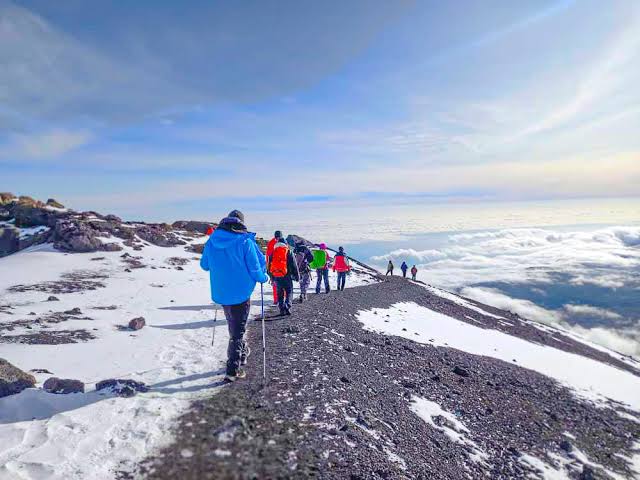
Around midnight you begin the steep zigzag climb up the scree, one slow step at a time by head torch, with your guides setting a steady pace. After several hours you aim to reach Gilman's Point on the crater rim at about 5,685 m, often as the sun rises behind Mawenzi. From there, a final one to two hours along the rim may bring you to Uhuru Peak, 5,895 m, the highest point in Africa, with glaciers glowing beside you. After summit photos, you descend to Kibo Hut for a rest and food, then continue down to Horombo at about 3,720 m. A huge day of twelve to fifteen hours.

This Rongai summit approach joins the crater rim at Gilman's Point before continuing towards Uhuru Peak. Reaching the rim does not mean the hard work is over: the remaining traverse and long descent demand energy and concentration. Summit photographs are brief because stopping in the cold increases heat loss, and the guide decides whether continuing is appropriate. Insulate drinking bottles and carry snacks where you can reach them with gloves on. A turnaround is always possible; no summit is guaranteed, and descending safely matters more than reaching the sign.

Summit night — Uhuru Peak, then down to Horombo
Travel
Kibo Hut (about 4,720 m) → Horombo (about 3,720 m) · about 22 km · 12–15 hours hiking
Overnight
Mountain camp — Horombo (about 3,720 m)
Meals
Breakfast, lunch, dinner (prepared by your mountain cook)
Day 8

Horombo to Marangu Gate — certificates and celebration

After an early breakfast, with thicker air and a proper night's sleep, you walk about five to six hours down through moorland and rainforest to Marangu Gate, at around 1,870 m, on the mountain's southern side. At the gate you sign out of the park and receive a certificate reflecting the point you reached, and your crew often sends you off with a song. We drive you back to your hotel in Moshi or Arusha for a long hot shower, a cold drink and time to arrange a separate celebration dinner after seven unforgettable days on the mountain.

Descending by Marangu gives the Rongai Route a distinctive traverse: you have approached from the quieter north and leave through the greener southern forest. Moorland plants gradually give way to taller trees, where birds and, with luck, monkeys may appear. Wet roots and stone steps can be awkward on tired legs, even when breathing feels easier. Use trekking poles carefully and keep waterproofs accessible until you leave the park. Certificates reflect the point actually reached, rather than being guaranteed summit awards. Your hotel stay includes breakfast; an evening celebration meal is separate.

Horombo to Marangu Gate — certificates and celebration
Travel
Horombo (about 3,720 m) → Marangu Gate (about 1,870 m) · about 20 km · 5–6 hours hiking
Overnight
Hotel in Moshi or Arusha
Meals
Breakfast, lunch (prepared by your mountain cook)
Day 9

Departure — or on to safari or Zanzibar

After breakfast at your hotel, enjoy a slow morning while your legs recover from the mountain. If your flight schedule allows, ask about an optional coffee farm visit or a little souvenir shopping in Moshi or Arusha; neither is an included excursion. We confirm your collection time and transfer you to Kilimanjaro International Airport (JRO) for your onward flight. From Arusha, allow about one hour on the road, plus the airline's recommended check-in time and a sensible traffic buffer. For an evening departure, keep the afternoon flexible rather than planning a distant outing that could make the journey rushed.

Arusha sits beneath Mount Meru and makes a pleasant place to pause after your Kilimanjaro trek, with cafés and local markets if you feel like a short walk. JRO is the airport here for international flights, so check the airport name carefully when reviewing your ticket. Keep travel documents, medication and a change of clothing accessible rather than buried with your muddy trekking kit. Additional safari days or a Zanzibar beach holiday can be arranged separately, but this package finishes with your airport transfer. Before leaving the hotel, check the room for charging cables and allow time to collect any luggage stored during the climb.

Departure — or on to safari or Zanzibar
Travel
Hotel in Moshi or Arusha → Kilimanjaro International Airport (JRO) · about 1 hour by road from Arusha
Overnight
End of trip — no overnight
Meals
Breakfast

Make your dream trip come true with Lion Whisper

Every sample itinerary can be changed to suit you. Our local guides work with you to plan the trip you really want.

Request this trip now

Why Lion Whisper?

  • Private guide and vehicle — never a shared group
  • Local guides based in Arusha
  • Routes built around your dates and pace
  • Honest advice, no sales script
  • English-speaking guides
  • 24/7 support while you travel
See all kilimanjaro trekking
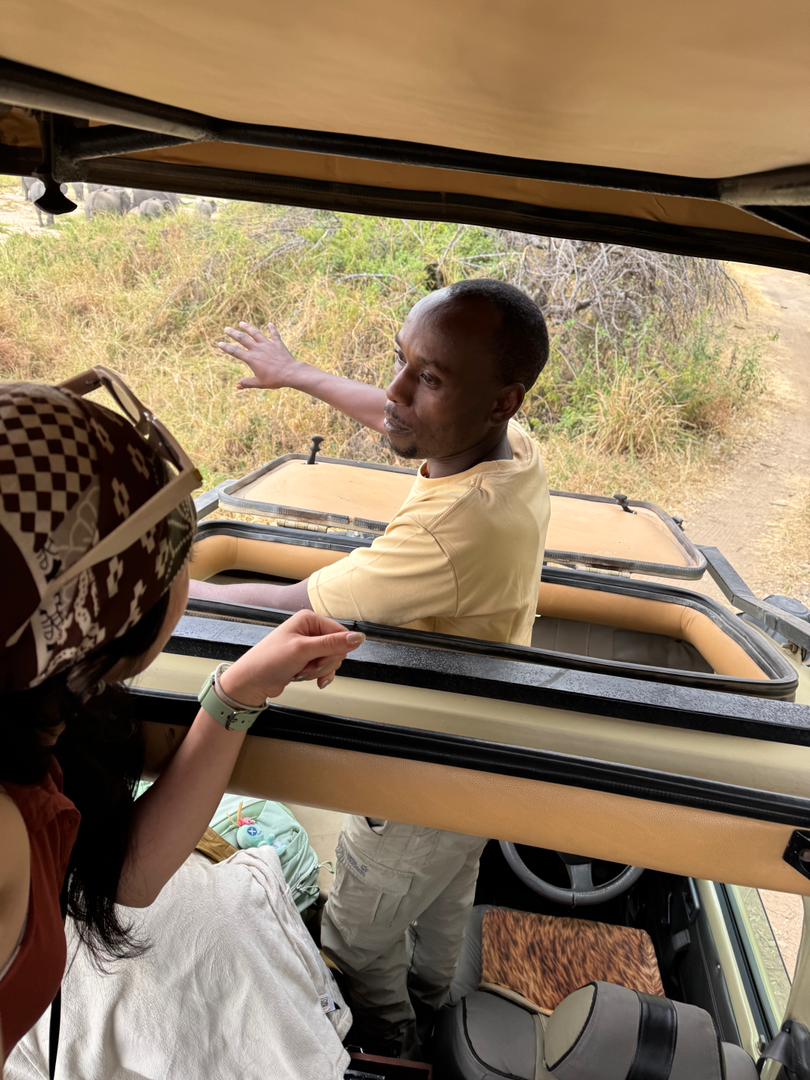
Lion Whisper guide explaining wildlife from the safari vehicle

Let us create your tailor-made trip

Free, no-obligation advice

Plan a Custom Safari

Talk to a local guide

Our team in Arusha is here to help — English · Swahili · French (on request).